
PLEASE READ ALL DETAILS BELOW BEFORE DONATING – THANK YOU!
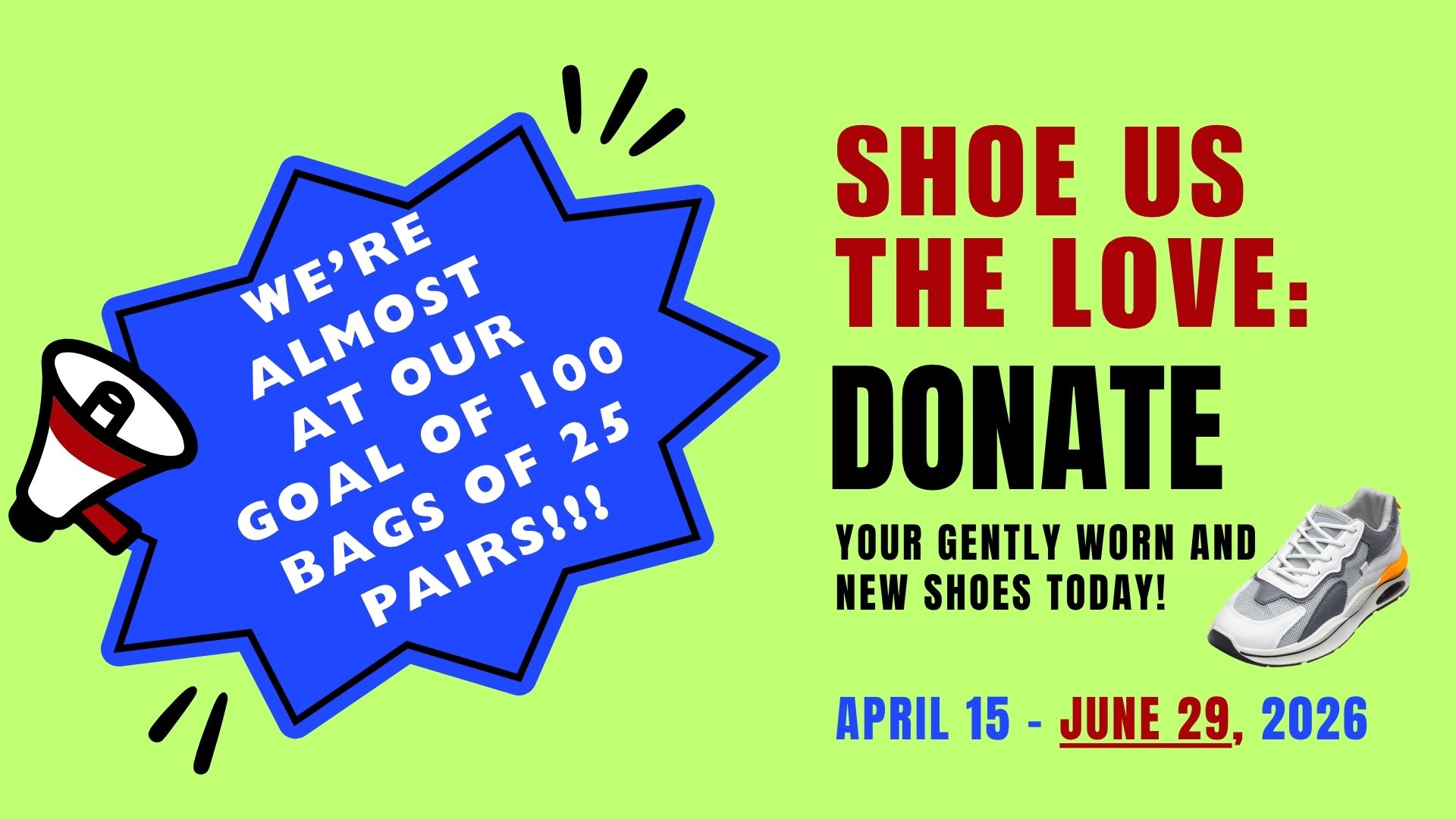
Help the Tilton Fund raise money for the library expansion Capital Campaign just by donating gently worn and new shoes! Be sure to ask friends, family, neighbors, and co-workers to donate, too. Collected shoes not only help support the library, but they will be reused and given a second life by those in need around the world. It’s a WIN-WIN!
ONLY DURING THESE DATES, PLEASE:
April 15 – June 29
**DROP OFF DURING OPEN HOURS ONLY**
**DO NOT LEAVE OUTDOORS**
DROP OFF LOCATIONS:
– Tilton Library
– Greenfield Savings Bank (Deerfield)
>>>> PLEASE READ GUIDELINES BELOW <<<
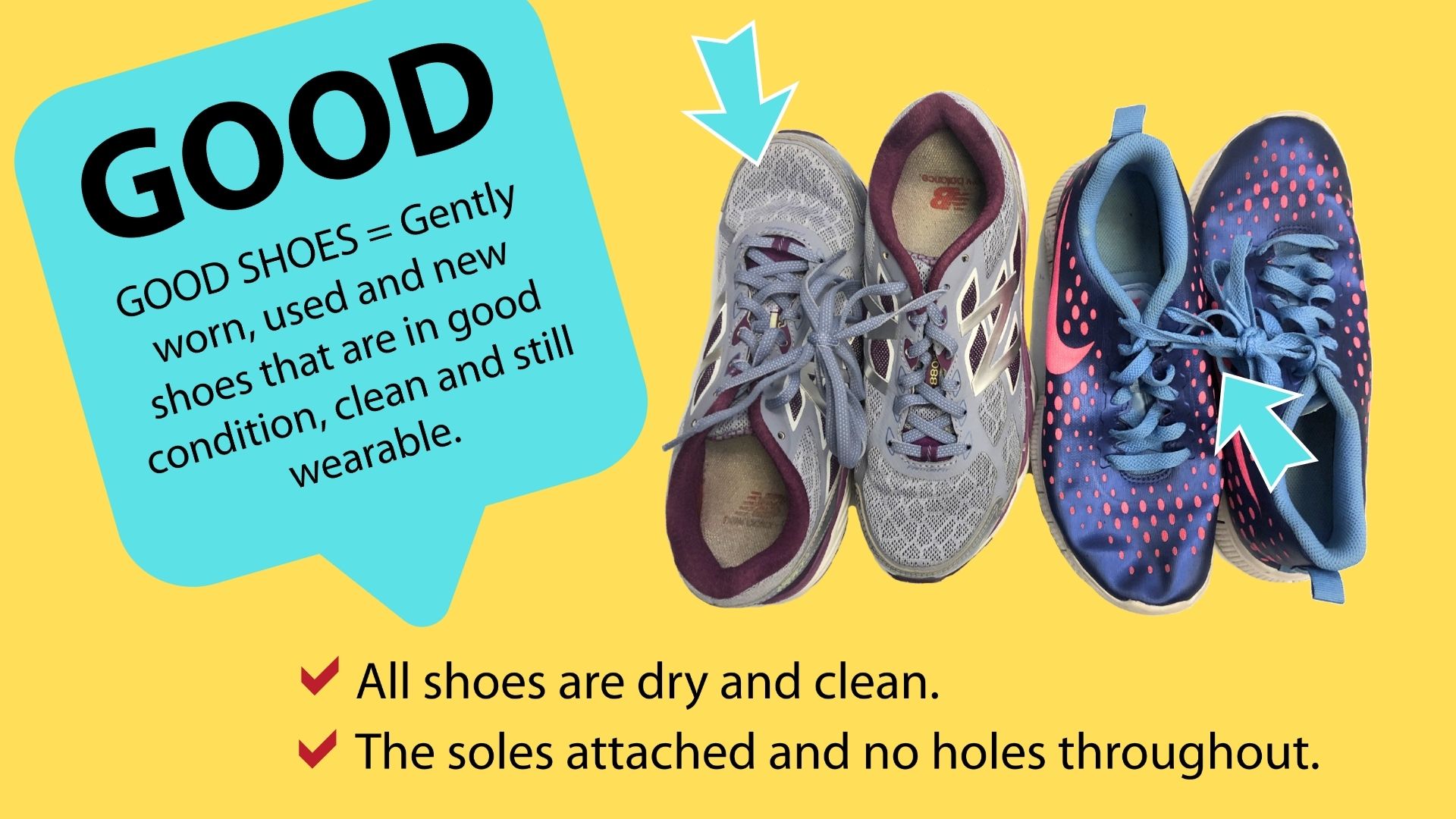
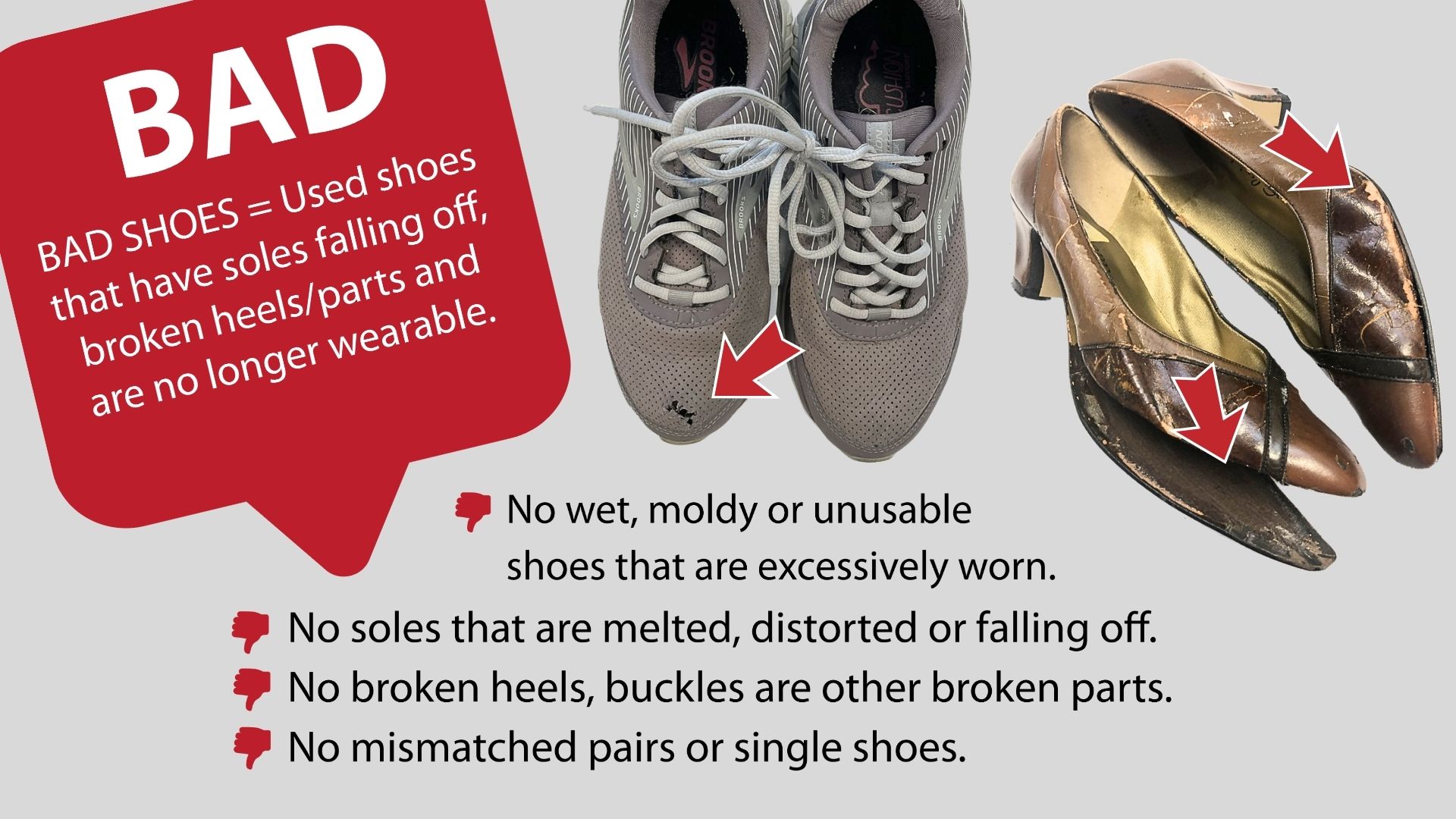
Quality Matters! These shoes will go to those in need who rely on quality footwear for their livelihood and transportation. Keep this in mind: if you wouldn’t give the shoes to a friend then please don’t donate them.
WHY SHOES?
Shoes fall under the broader umbrella of textile waste, which also includes your old t-shirts, jeans, and even things like towels and curtains. And when you look at the numbers, it’s honestly pretty staggering. Americans generated about 17.0 million tons of textile waste. Most did not get reused or recycled. Seventy percent of the global population relies on secondhand clothing and shoes.
The circular economy, or as we like to call it, the reuse economy, focuses on using items longer instead of throwing them away. The goal is to keep products in use through reuse and resale, rather than sending them to landfills. Shoes are a strong fit for this model. Many pairs that are no longer worn in one place still have life left in them to offer value somewhere else. When shoes are reused, fewer new shoes need to be made. In turn, it helps save resources and reduces waste.
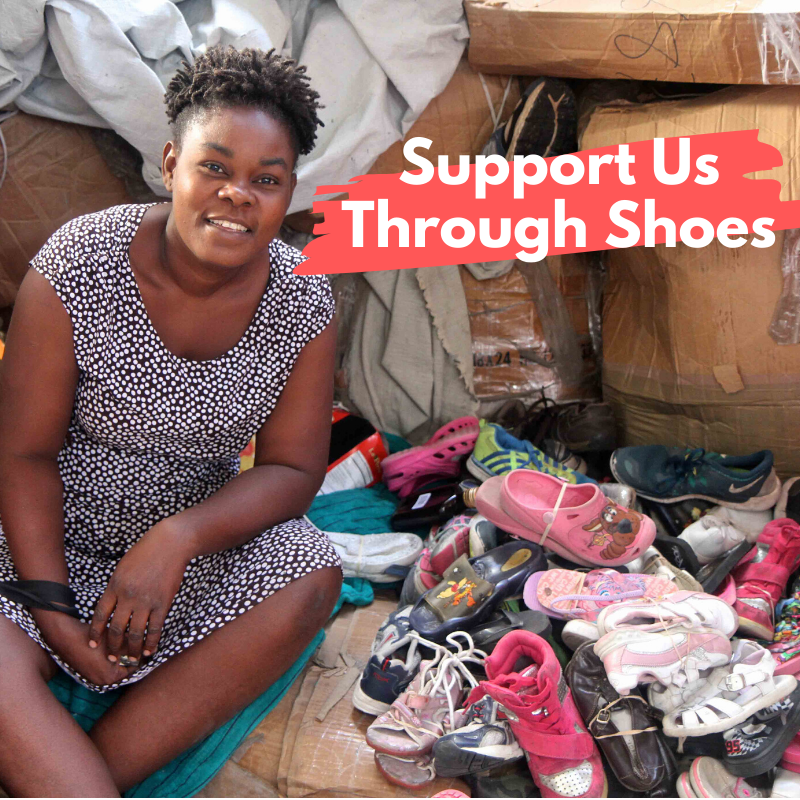
More than 4,000 families worldwide earn income through the resale of collected shoes. These small business owners use shoe sales to support their families, pay for school, and build stability. In many of these communities, shoes are the main form of transportation. In Haiti, poverty levels have been very high. According to the World Bank, more than half the population lived on less than $2.41 per day, and about one in four people lived on less than $1.23 per day. Micro-enterprise opportunities can make a real difference in places facing challenges like these.
THANK YOU FOR YOUR DONATION – FOR YOUR SUPPORT OF THE LIBRARY AND THOSE IN NEED OF YOUR DONATIONS TO MAKE A LIVING.